Getting the breed right
Breed shirts live or die on accuracy. A doberman pinscher owner will spot a design drawn from the wrong breed immediately, and crosses are the easiest to get wrong — the coat and the ear shape are usually what gives it away. Look at the artwork before the slogan.
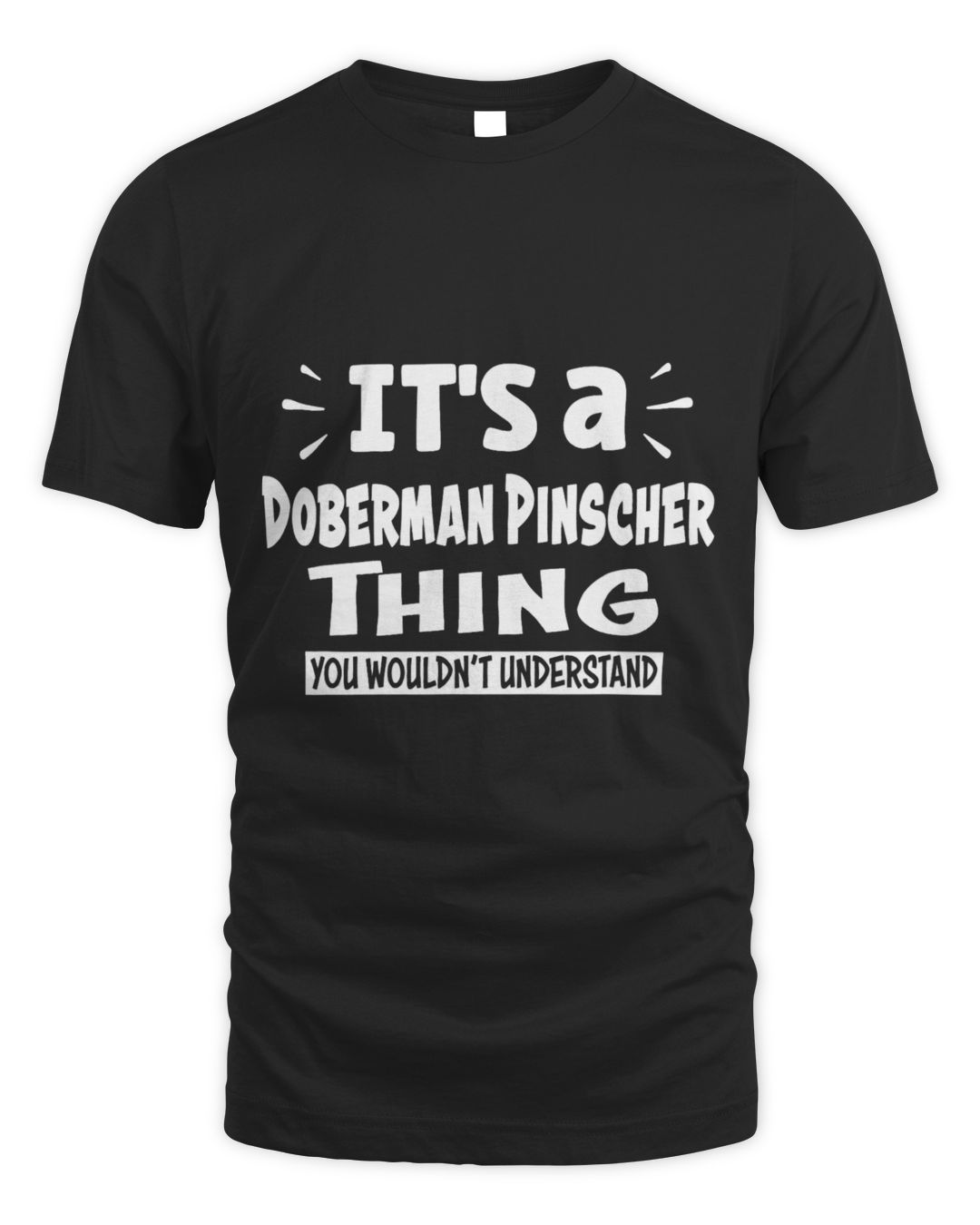
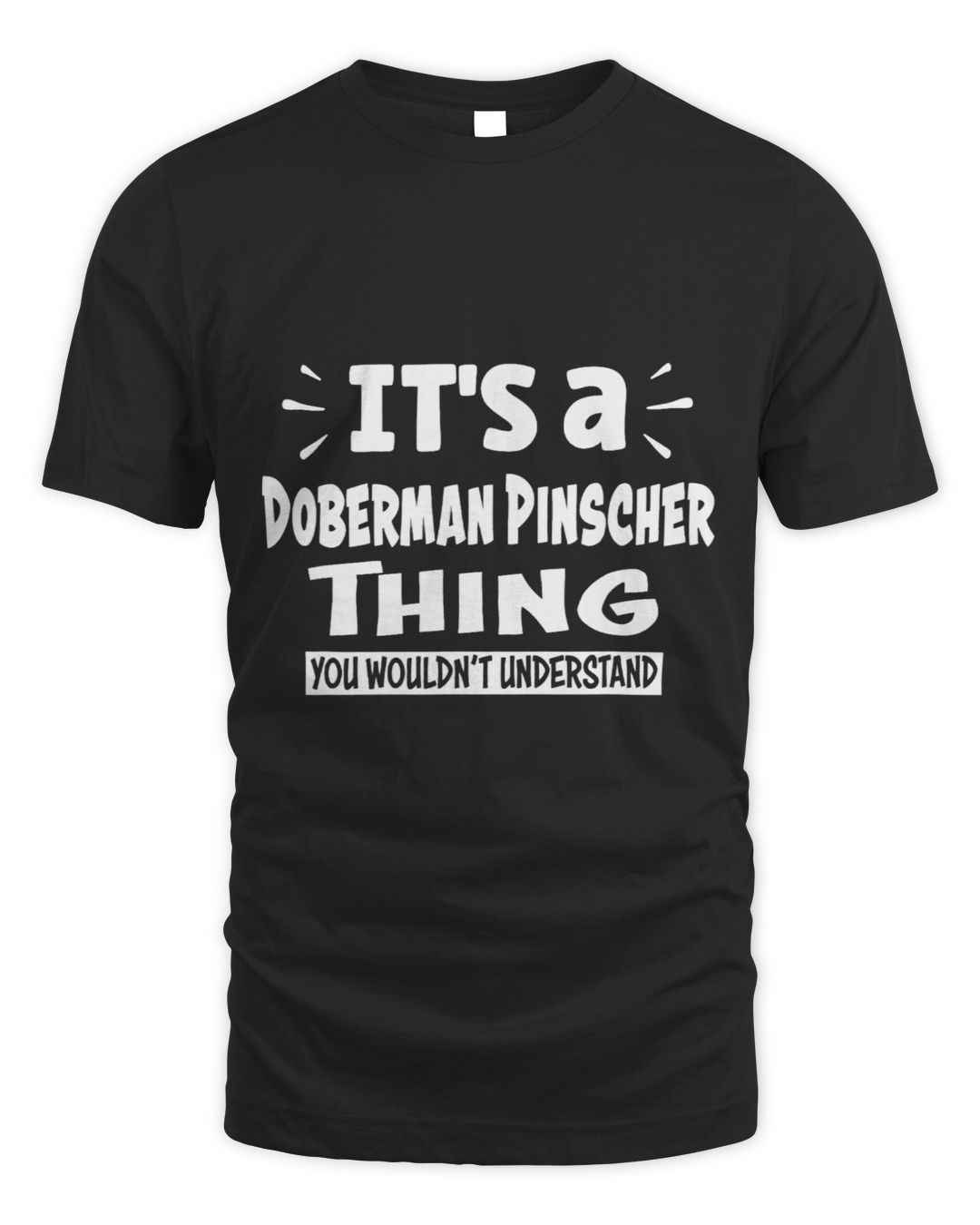
Across the 2 designs here the wording is identical, so the choice is which drawing actually looks like their dog.
Who it is for
This works for someone who has explained their breed to strangers more than once — the rare breeds and the crosses especially, since those owners almost never find themselves on a shop shelf. It falls flat for someone who just likes dogs generally; for them a plain dog design is the better buy.
The reputation is decades out of date
Modern Dobermans are bred as companions and are famously attached to their people — the "velcro dog" description comes from owners, not marketing.
They also sit on you. A seventy-pound dog that thinks it is a lap dog is the standard experience.
Owners spend a lot of energy managing other people’s assumptions on walks, which gets tiring.
Sizing and ordering
- Unisex tees run true to size — size up one for a relaxed fit.
- Allow two to three weeks. Each shirt is printed after you order, so production time comes before shipping time.
- Checkout happens on the print partner's site — Senprints handles printing, payment and delivery.
The wording only works when it names the exact breed, so it is worth checking before you buy. German Shorthaired Pointer, Great Pyrenees and Havanese each have their own page with their own designs, and there are more below.